Introduction
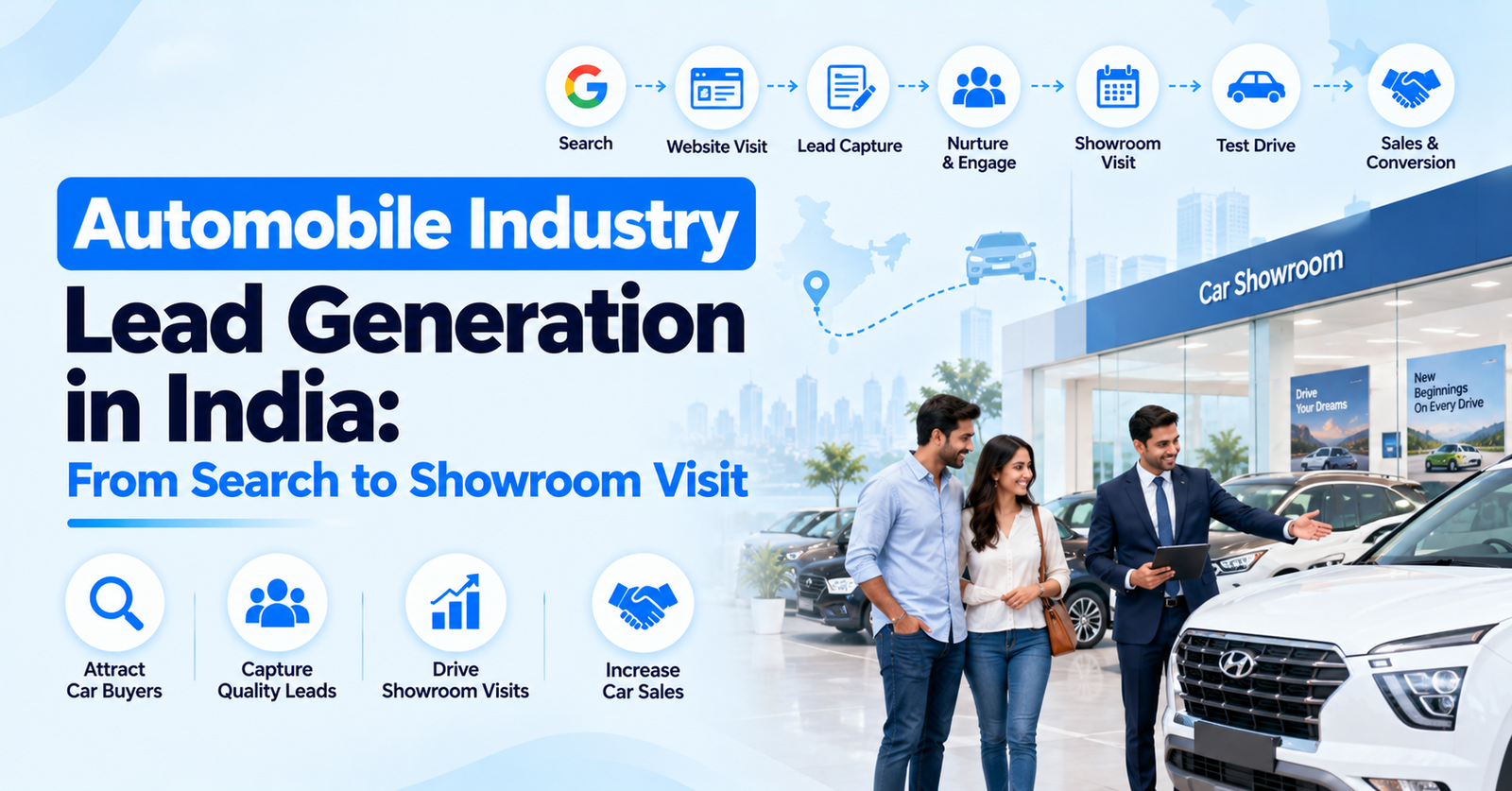
Automobile customers commonly research models, prices, features, variants, finance options and reviews before visiting a showroom. Digital lead generation therefore plays an important role before the physical sales conversation begins.
Customers Research Before Visiting
Model-specific pages can answer important questions while giving customers a direct path to enquire. A generic homepage may be less relevant when someone is already searching for a specific model or purchase action.
Model-Specific Landing Pages
Test-drive requests are strong signals because they often indicate a customer is willing to take a concrete next step. Forms should capture enough information to identify the preferred model and location without creating unnecessary friction.
Capture Test-Drive Intent
Lead routing is particularly important for multi-location dealerships. Enquiries should reach the appropriate branch or sales team based on location, model and other business rules.
Connect Leads to Dealership Teams
Marketing teams should connect digital lead data with showroom outcomes. Useful metrics include leads, contacted leads, test drives, showroom visits, quotations, bookings and sales.
Measure the Offline Funnel
Automobile lead generation becomes more valuable when digital and offline data are connected. This makes it possible to understand which campaigns create real showroom opportunities rather than only online submissions.
Conclusion
The strongest automotive acquisition process connects search intent, model content, lead capture, location routing and disciplined dealership follow-up.