
The Rise of AI Automation in Marketing: What Businesses Need to Know
Introduction
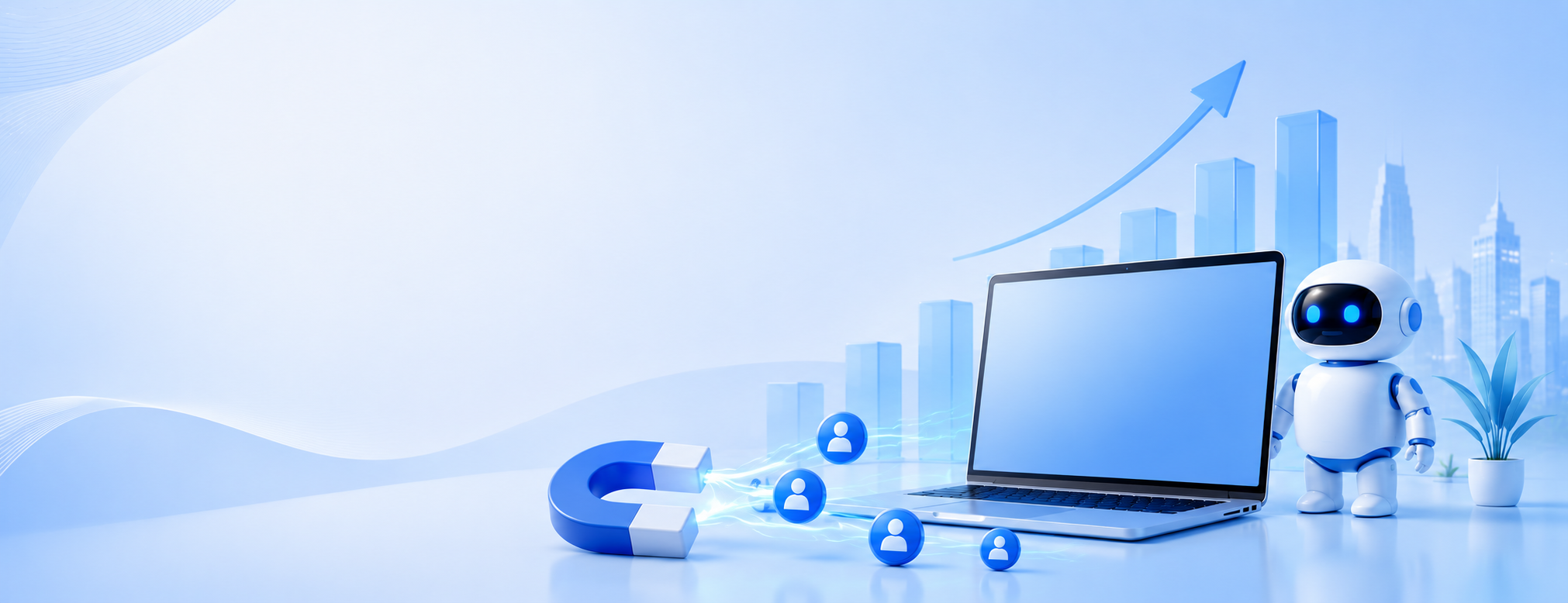
Marketing automation has existed for years, but the addition of AI has fundamentally changed what it can do. Instead of simply triggering pre-set rules, today's platforms learn from data and adjust campaigns in real time.
From Rule-Based to Intelligent Automation
Traditional automation followed rigid if-this-then-that logic. AI-powered systems instead analyse customer behaviour patterns and continuously optimise send times, audience segments, and creative variations without manual intervention.
Hyper-Personalization at Scale
AI allows marketers to deliver individually tailored messages to thousands of customers simultaneously, based on browsing history, purchase behaviour, and engagement signals — something that was previously impossible without a massive manual effort.
Smarter Ad Spend Allocation
AI bidding algorithms in platforms like Google and Meta Ads now allocate budget dynamically toward the audiences and placements most likely to convert, reducing wasted spend significantly.
What Businesses Should Watch Out For
Over-reliance on automation without human oversight can lead to generic or tone-deaf messaging. The most effective marketing teams use AI to handle scale and repetition while keeping strategy and brand voice firmly in human hands.
Conclusion
AI automation in marketing is not about replacing marketers — it is about freeing them from repetitive tasks so they can focus on strategy, creativity, and building genuine customer relationships.