Introduction
Best SEO Strategies for Automobile Dealership Websites is an important growth opportunity for automotive businesses that want a steady pipeline of genuine enquiries instead of relying only on walk-in customers. Buyers usually compare models, prices, finance options, reviews and nearby dealerships before they contact a showroom. A dealership therefore needs to be visible at the right moment and make the next step simple. This guide explains a practical approach for best seo strategies for automobile dealership websites, with examples that a team can adapt to its own city, brand and budget.
Understand the customer and the goal
Start by defining what counts as a useful lead. For one campaign, the goal may be a test-drive request; for another, it may be a quotation, exchange evaluation, finance discussion or booking enquiry. Record the model of interest, preferred location, purchase timeline and consent to be contacted. Avoid collecting unnecessary personal information. A form with fewer, relevant fields often works better on mobile, while a sales consultant can collect additional details during the conversation. Segment customers by intent rather than treating every click as a ready-to-buy prospect.
A practical step-by-step plan
- Choose one clear offer: promote a test drive, current verified offer, exchange evaluation or personalised quotation. State conditions clearly and show the applicable dates.
- Match the message to intent: use model-specific pages for model searches, location pages for nearby searches and comparison content for shoppers still researching.
- Make response easy: provide a short enquiry form, click-to-call option and consent-based WhatsApp contact where appropriate.
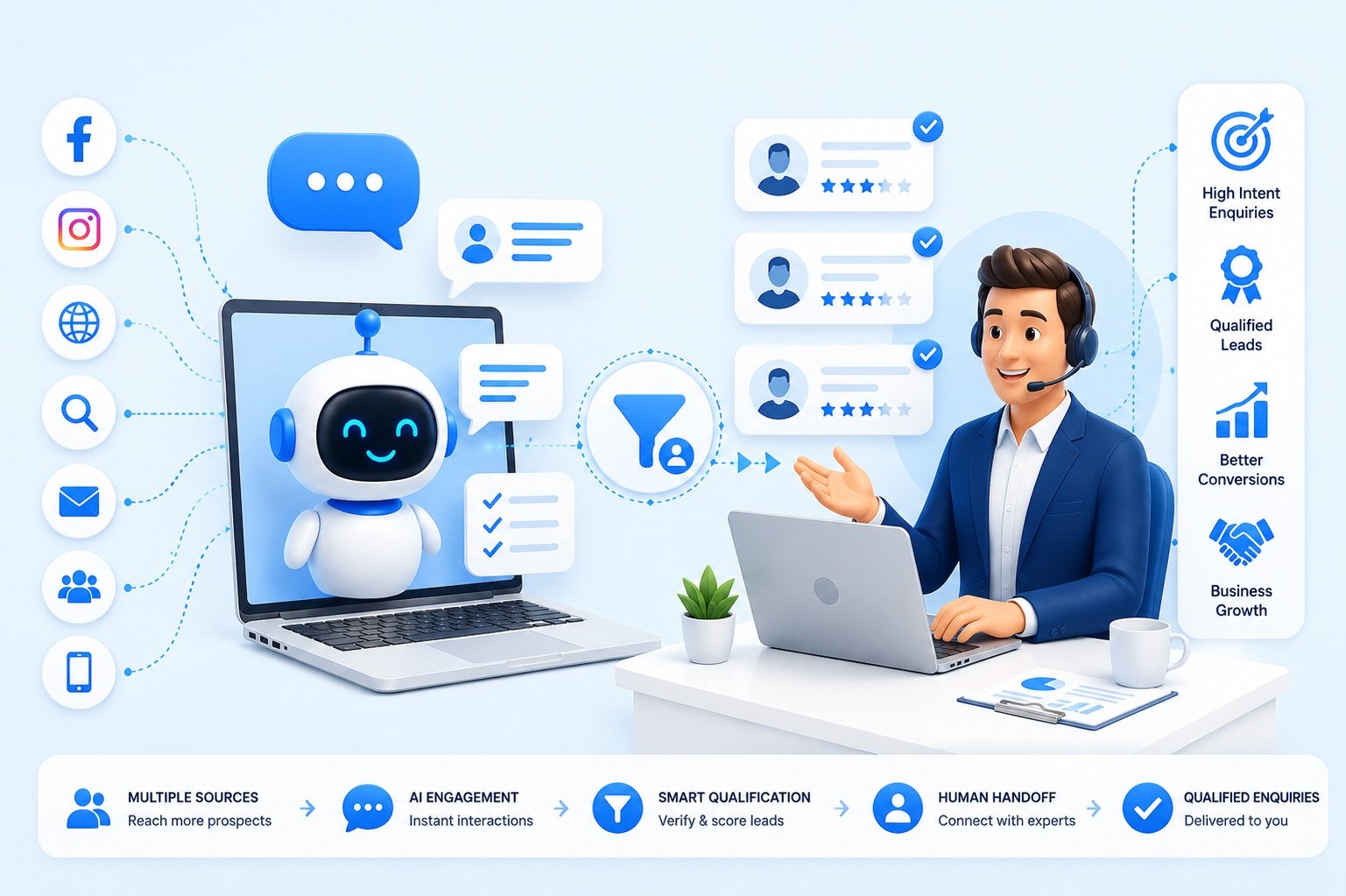
- Track the complete journey: record source, campaign, enquiry date, first response, appointment, showroom visit, quotation and sale outcome.
- Review quality weekly: compare qualified leads and sales, not just impressions or low-cost form submissions.
How this applies to Best SEO Strategies for Automobile Dealership Websites
For this topic, prioritise the customer question that appears immediately before an enquiry. Explain the value in plain language, answer common objections and show what happens after the form is submitted. For example, tell customers whether a team member will call to confirm the appointment, what information is needed for an exchange estimate, or how they can request a detailed quotation. Use local language options when your audience prefers them, but keep model names, pricing terms and legal disclosures consistent. Make sure all claims are current and approved by the dealership. If the campaign is aimed at customers in India, consider mobile-first layouts, city-level targeting, regional festivals and the customer's preferred contact time without assuming every customer has the same needs.
Example: applying the strategy at a local showroom
Imagine a dealership serving customers across three nearby areas. The team creates a model page with current specifications, an honest price disclaimer, a finance enquiry option and a test-drive form. Search campaigns target people actively looking for that model, while social campaigns introduce the vehicle to relevant local audiences. Each form submission is assigned to the correct showroom based on the customer's preferred location. A salesperson acknowledges the enquiry promptly, confirms a convenient appointment and updates the CRM after each interaction. At the end of the month, the manager compares cost per qualified lead, appointment rate, showroom visit rate and sales by source. If one source delivers many forms but few visits, the team improves the targeting and qualification process rather than increasing the budget blindly.
Measurement and optimisation
Use a consistent dashboard with spend, clicks, landing-page conversion rate, leads, qualified leads, appointments, showroom visits, bookings and sales. Cost per lead (CPL) is advertising spend divided by leads; cost per qualified lead is spend divided by leads that meet the dealership's agreed criteria. These figures are useful only when tracking is reliable and duplicate or spam enquiries are removed. Test one meaningful change at a time, such as the headline, form length, audience, call to action or response workflow. Keep a record of changes and compare equivalent periods to avoid making decisions from small or seasonal fluctuations.
Common mistakes to avoid
- Using generic messaging that does not mention the model, location or customer benefit.
- Promising discounts, availability or finance terms that have not been verified.
- Sending every lead to the same team despite different locations or product interests.
- Failing to call back, update lead status or record the reason a prospect did not proceed.
- Optimising only for cheap leads while ignoring appointment attendance and final sales.
- Sending repeated promotional messages without appropriate consent or a clear opt-out route.
Recommended action checklist
Before launch, confirm the target audience, serviceable locations, approved offer, landing page, mobile usability, privacy notice, consent wording, tracking tags and lead owner. During the campaign, check response times and lead status daily. Every week, review search terms or audience performance, lead quality and appointment outcomes. Every month, compare the contribution from each channel and document the improvements for the next cycle. Keep product information accurate and make it easy for customers to ask questions without pressure.
Conclusion
Successful automobile lead generation is not simply about collecting names and phone numbers. It is about connecting customer intent with useful information, a relevant offer, a smooth enquiry experience and a reliable sales process. Dealership owners, website managers and local seo specialists can use useful local pages, accurate business information, relevant vehicle pages, fast mobile experiences and clear enquiry forms to build a more predictable pipeline. Start with a measurable test, learn from actual customer outcomes and scale the activities that generate qualified appointments and sales. A clear call to action such as Book a test drive, Request a quotation or Speak to a dealership advisor gives interested buyers a practical next step.
Simple planning table
| Activity | What to check | Success signal |
|---|---|---|
| Campaign or content | Does it answer a real buyer question? | Relevant visits and enquiries |
| Enquiry experience | Is the form easy to use on a phone? | Completed, valid submissions |
| Sales follow-up | Is an owner assigned and a next step recorded? | Appointments and showroom visits |
| Reporting | Are source and final outcomes connected? | Qualified leads and sales visibility |
Frequently asked questions
How quickly should a dealership respond?
Respond as promptly as the team can reliably manage, ideally while the customer's interest is fresh. Set a service-level target, monitor it and provide an acknowledgement if a detailed answer will take longer.
Which metric matters most?
No single metric tells the full story. Review qualified-lead cost alongside appointment rate, showroom visits, bookings and sales. The best measure depends on the campaign objective and the reliability of your tracking.
Can a small dealership use this approach?
Yes. Start with one or two channels, one clear offer and a simple spreadsheet or CRM process. Expand only after the team can respond consistently and identify which sources produce genuine customer conversations.